
Frustration Management: Get Yourself Together, Kindly
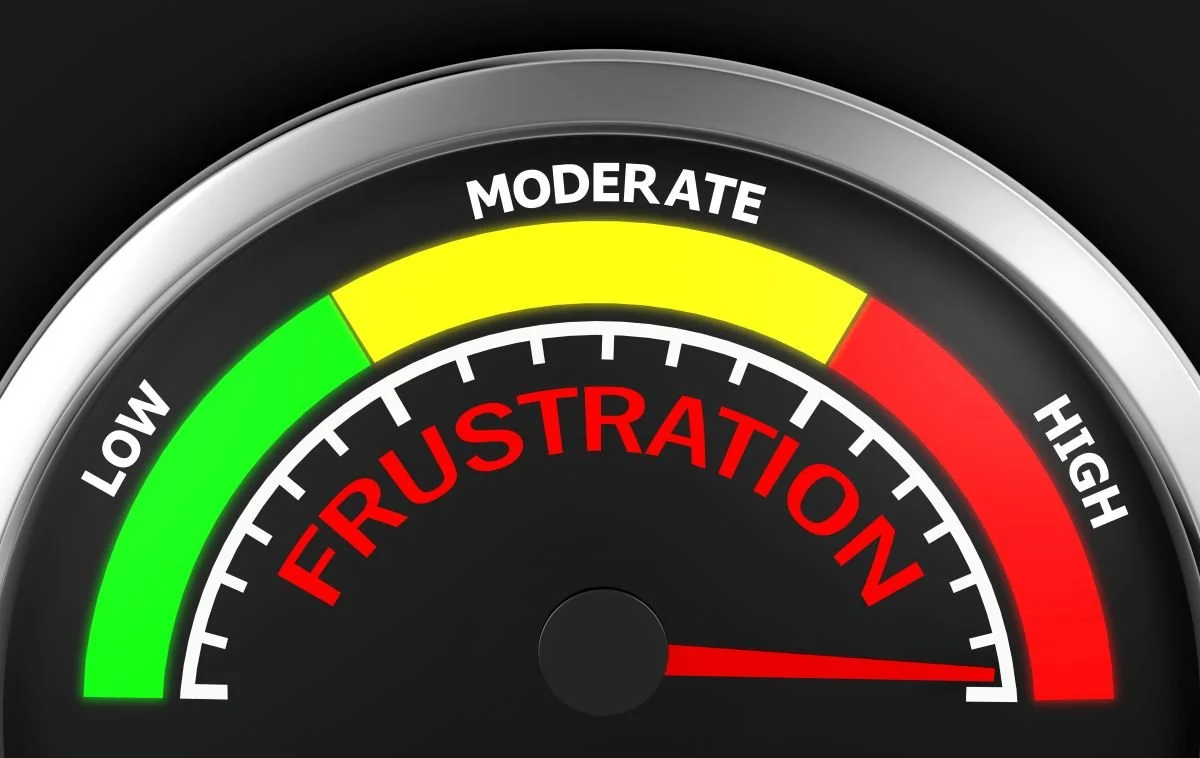
Turning Tension into Growth
Frustration is a universal experience. It shows up when expectations collide with reality, when progress feels slow, or when circumstances are outside our control. While frustration often gets a bad reputation, it isn’t inherently negative. Managed well, frustration can become a signal for change, clarity, and personal growth. Managed poorly, it can spill into stress, burnout, or strained relationships.
Frustration management isn’t about suppressing emotions or forcing positivity. It’s about recognizing what’s happening internally, responding intentionally, and building habits that help you move forward rather than feel stuck.
Understanding the Roots of Frustration
Frustration usually comes from a gap between what we want and what is happening. Identifying the source of that gap is the first step toward managing it.
Common sources include:
Unmet expectations (of yourself, others, or systems)
Lack of control over outcomes or timelines
Overload and fatigue, especially when resources are stretched thin
Poor communication or unclear boundaries
Repeated obstacles that block progress
When frustration feels overwhelming, it’s usually because multiple sources are piling up at once. Or, because we’ve been shoving down other hard feelings and then a small aggravation gets all the “oomph” of the unacknowledged stuff.
Recognizing Early Warning Signs
Frustration rarely appears out of nowhere. It builds gradually, and learning to notice the early signals can prevent escalation.
Don’t ignore signs that your aggravation tolerance is being stretched thin:
Irritability or snapping at small things
Mental looping or replaying the same problem
Physical tension (tight shoulders, jaw clenching, shallow breathing)
Reduced patience or motivation
All-or-nothing thinking (“This always happens”)
Being committed to catching frustration early— and doing something about it— gives you more options for responding constructively.
Practical Strategies for Managing Frustration
1. Pause Before Reacting
A brief pause can interrupt the automatic stress response. Even a few deep breaths or a short walk can create space between feeling and action.
Helpful techniques:
Box breathing (inhale 4, hold 4, exhale 4, hold 4)
Stepping away from the situation for 5–10 minutes
Grounding yourself by noticing physical sensations
2. Name the Frustration
Putting words to what you’re feeling reduces its intensity. Instead of “I’m just mad,” try identifying specifics:
“I’m frustrated because the deadline changed without warning.”
“I’m frustrated because I put in effort and didn’t see results.”
Clarity reduces emotional overwhelm. Even better, jot down these observations on the closest peice of paper. Thoughts are slippery, but looking at your thoughts spelled out on paper often gives you an additional chance to really get clear about what’s eating at you . . . or what you thinkis eating at you.
3. Separate What You Can and Can’t Control
Frustration often comes from fighting reality. Sorting factors into controllable and uncontrollable categories can be freeing.
Focus your energy on:
Your actions and responses
How you communicate your needs
The next small step forward
Let go of:
Other people’s reactions
Past decisions you can’t change
Outcomes that depend on external forces
4. Adjust Expectations, Not Standards
Managing frustration doesn’t mean lowering your values. It means aligning expectations with current capacity and circumstances.
Examples:
Expect progress, not perfection
Plan for delays and setbacks
Allow flexibility when conditions change
Long-Term Habits That Reduce Frustration
Frustration management improves with consistent habits, not just in-the-moment fixes.
Consider building:
Regular reflection to process stress before it accumulates
Clear boundaries around time, energy, and responsibilities
Realistic planning with buffers instead of packed schedules
Physical care (sleep, nutrition, movement) to lower baseline stress
Constructive outlets like journaling, exercise, or creative work
Over time, these habits increase emotional resilience and reduce how intensely frustration hits.
Reframing Frustration as Information
Instead of viewing frustration as failure, treat it as feedback. It often points to:
A need that isn’t being met
A system that needs adjustment
A boundary that hasn’t been set
A goal that needs clarification
When you ask, “What is this frustration trying to tell me?” you shift from reaction to insight.
Final Thoughts
Frustration is not a weakness—it’s a human response to challenge. Learning to manage it effectively allows you to stay grounded, make better decisions, and protect your well-being. With awareness, practical tools, and supportive habits, frustration can transform from a draining force into a guide for growth and change.
Managing frustration isn’t about eliminating it. It’s about learning how to work with it—calmly, intentionally, and compassionately.
